Searching for computer chair parts suppliers online is easy. Finding one that won’t disrupt your assembly line or ruin your brand’s reputation is the real challenge.
Every day, OEM buyers and procurement managers face a hidden nightmare: components that look great in a catalog but fail on the production floor.
If you are sourcing hardware for commercial seating, you cannot afford to rely on trial and error. You need a partner. Here are the four critical benchmarks you must use to audit your next supplier.
1. Supply Chain Control: Are They Just Order-Takers, or True Integrators?
The market is full of middlemen who simply pass your order to the cheapest factory they can find that week. They don’t understand the engineering behind the products. The result? You receive inconsistent batches, and the aluminum base you order in March has a completely different finish than the one you order in July.
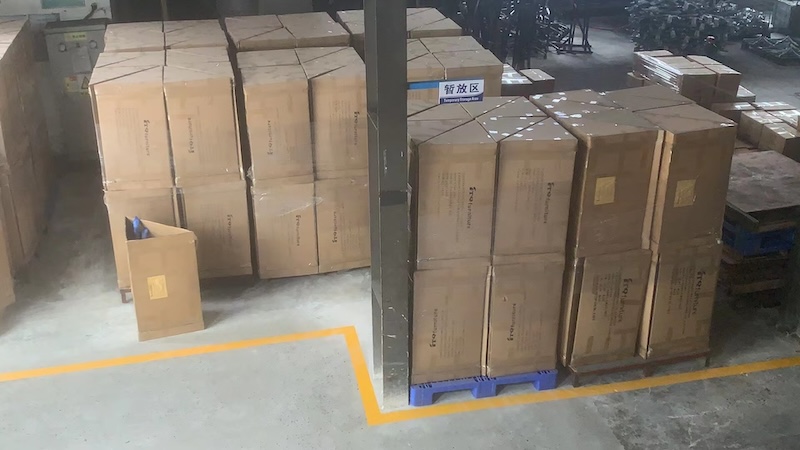
How to audit this: Look for a dedicated supply chain partner with a curated, stable network of manufacturing facilities. At Tincci, we operate as a highly specialized supply chain integrator. By partnering deeply with 7 specific, highly-vetted OEM factories, we act as your on-the-ground engineering and QC team in China. We don’t just “buy and sell”—we control the tolerances and material purity before the cargo ever leaves the port.
2. Engineering Standards: Manufacturing to BIFMA & SGS Protocols
In the commercial seating industry, durability is everything. However, asking for a piece of paper isn’t enough.
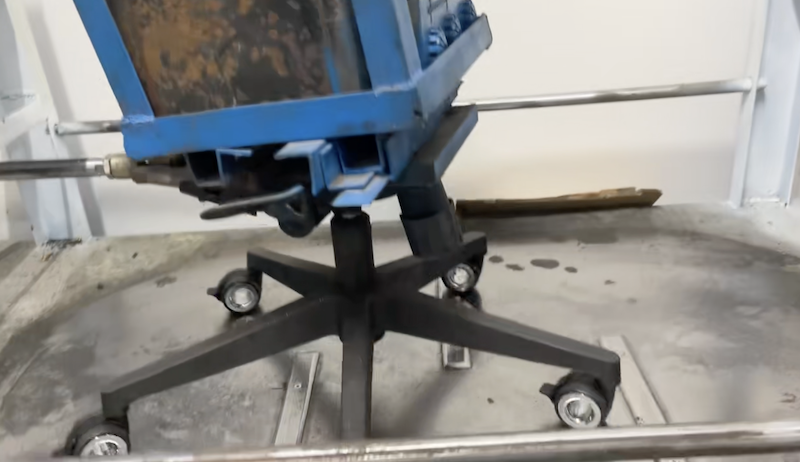
Top-tier suppliers don’t just rely on final certificates; they build international standards directly into their manufacturing process. Whether it is a heavy-duty gas cylinder or a 5-star aluminum base, the components should be engineered to meet or exceed BIFMA X5.1 and SGS testing standards.
How to audit this: Ask the supplier about their internal quality control. Do they use 100% virgin ADC12 aluminum to prevent micro-porosity? Are their gas lifts manufactured with a minimum 2.0mm tube thickness for high-pressure retention? A qualified supplier will speak the language of engineering specifications, not just sales pitches.
3. The Communication Litmus Test: Speed and Expertise
This is the fastest way to expose an unqualified supplier.
In global trade, communication speed equals reliability. If a supplier takes 48 hours to reply to a standard RFQ, imagine how long they will take to resolve a critical defect on your assembly line.
More importantly, look at how they reply. If you ask a technical question and they simply reply with, “Yes, we can do it,” proceed with caution.
How to audit this: Real experts ask technical questions back. A professional supplier will ask for your chair blueprints. They will ask about your target load capacity. They will warn you about potential design flaws before you even place the order.
4. Tolerance Awareness: The “Kit” Mindset
Amateur computer chair parts suppliers sell isolated parts. Professional partners sell integrated solutions.
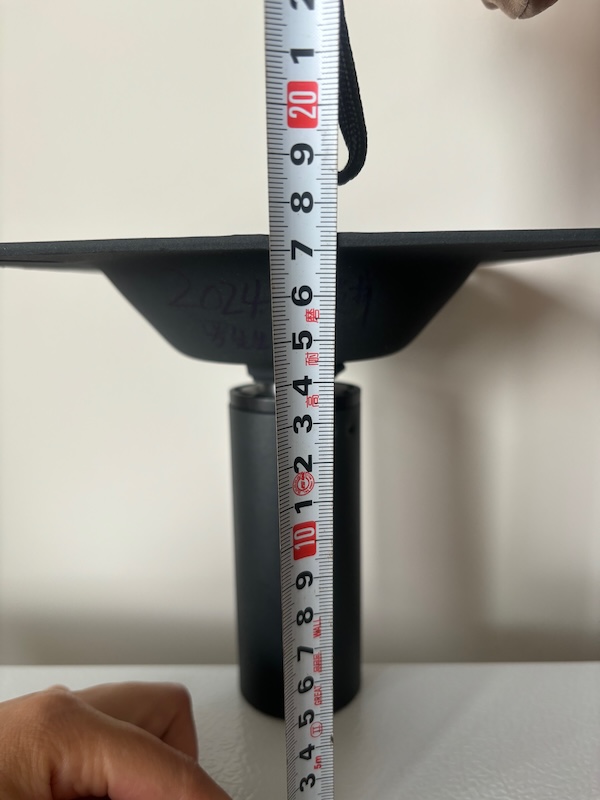
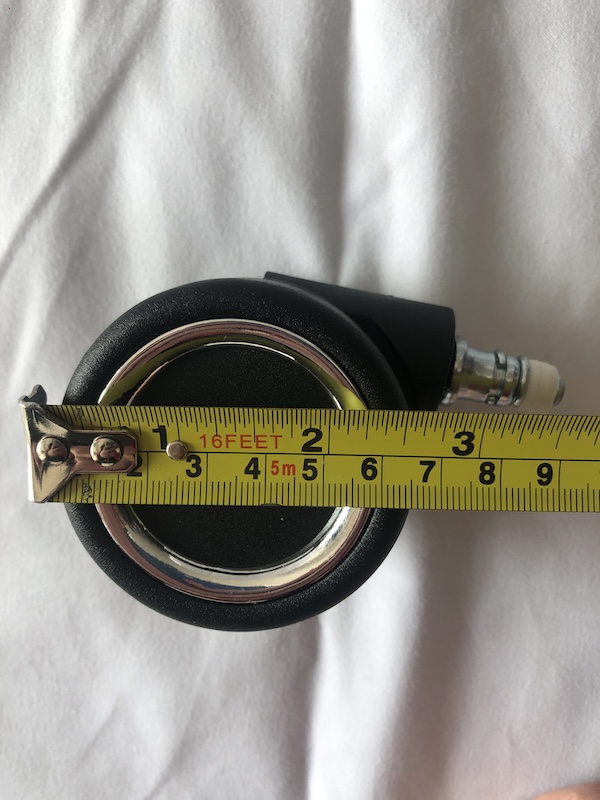
The most common cause of assembly failure is tolerance mismatch—for example, a gas cylinder that doesn’t perfectly fit the base’s center bore. Even a 0.5mm error requires your workers to force-fit the components, causing immediate stress fractures.
How to audit this: Ask the supplier how they ensure component compatibility. The best suppliers treat hardware as a complete system, offering pre-matched “Kits” to guarantee zero friction on your assembly line.
Ready to Upgrade Your Supply Chain?
At Tincci, we don’t just supply parts; we engineer reliability. Backed by a deep network of seven strategic OEM manufacturing partners, we provide commercial-grade chair hardware manufactured to strict BIFMA standards.
We understand that you are not competing on the lowest price—you are competing on quality and trust.
Stop worrying about delayed emails, mismatched tolerances, and inconsistent batches. Contact our engineering team today for a fast, highly technical review of your current seating blueprints. Let’s build a chair that commands a premium.